The Painted Meadow summer-solstice snowfall
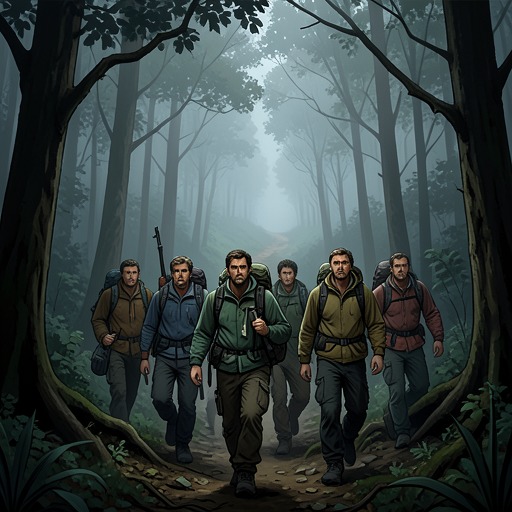
Happiness for BeginnersThe Painted Meadow summer-solstice snowfall is a sudden weather event that turns a celebratory evening in the BCSC wilderness expedition into a test of shared resourcefulness. Snow arrives in the middle of summer, while the group is gathered for dinner and dancing; by morning, it has lowered their tarp beneath its weight and erased the meadow’s green, flowered appearance. Beckett’s improvised precautions keep the campers together through the night, while the transformed landscape forces them to delay movement until the weather allows a cautious change of location.
Before the Snow
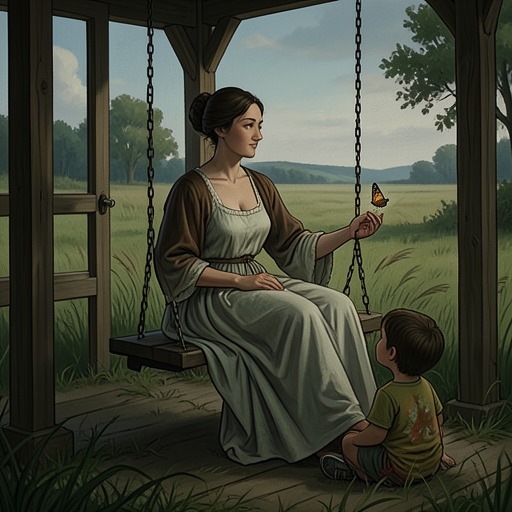
The snowfall interrupts a camp party assembled after the group’s fishing and dinner preparations. The tent groups pool their cookstoves, Windy mixes fruit-punch powder into water bottles, and the meal includes three fish seasoned with dried oregano and garlic pepper. The communal cooking and shared food give the gathering the feel of a celebration rather than a response to danger. After dinner, the campers sing bawdy songs and make music with rocks and sticks, following rhythms led by Vegas, who had played drums in a college band in Memphis. The children dance, and Caboose leads the group into the Cupid Shuffle dance. Beckett pulls Helen into the line dance; she joins Uno, Dosie, Cookie, and Beckett, and becomes absorbed enough in the fun to stop monitoring Jake and Windy.
The party also takes place against Helen’s effort to manage her unhappiness. Earlier, she had picked dandelions for a salad and considered whether trying to appreciate what she did have might help her feel less miserable. At dinner she resolves not to let the possibility of someone’s marriage proposal spoil the evening, and the dancing briefly fulfills that intention: she has fun and forgets to be careful about looking toward Jake and Windy. When she later notices that Jake and Windy are nowhere in sight, their absence unsettles her. But the discovery that changes the scene comes from above, not from finding them: she sees snowflakes and calls the group’s attention to them.
Summer Snowfall
The flakes are unmistakable, plentiful, and unexpected. They fall on the summer solstice, illuminated by the flames beneath the campstoves. Mason asks whether it is summer, while Cookie is delighted that the cold she had noticed earlier was real. The contrast is both calendrical and physical: a group that had been eating, singing, and dancing outside now has to treat the weather as an immediate practical problem. The snowfall does not remain a striking sight at the edge of the party. It begins to shape what the campers must do to stay warm and where they can safely sleep.
Beckett initially looks as though he does not know what to do. Seeing ten people waiting for him to make a plan, he takes charge and calls it a snow situation. His orders turn the party site into a makeshift shelter operation. The group cleans up while keeping the stoves burning and boiling water for cocoa; Beckett directs them to melt a spoonful of butter into each cup because they will need calories to keep warm. They bring out cheese to eat and retie the tarps into one large cover, allowing them to gather beneath it and share warmth. The campers put on pajamas, then layer dry outerwear over them, including wind jackets, mittens, extra socks, and fleece balaclavas.
A Night Under the Tarp
The group piles into sleeping bags beneath the joined tarps, turning a routine camp shelter into a crowded communal sleeping space. Helen tries to find a place as far from Jake and Windy as possible, but people jockey for room and she ends up between Vegas and Caveman, the group’s loudest snorers. That uncomfortable arrangement seems preferable to her worst-case alternative until she feels someone tap her scalp. Jake’s sleeping bag is positioned head-to-head with hers; his face is only inches away when he waves and wishes her sweet dreams. The moment places the evening’s emotional tension inside the practical closeness required by the weather: Helen wants distance, while the shared shelter leaves little room to arrange it.
By morning, the snow’s weight has altered the shelter itself. The blue vinyl tarp hangs about an inch from Helen’s nose, having sunk at least three feet overnight. Still inside her sleeping bag, she pushes at it and knocks snow from its edge; each fall makes the tarp lighter and lifts it farther from her face. She keeps kicking until there is room to sit up, waking the others as she does. The snowfall is therefore registered not only as scenery but through the pressure of the sagging cover and the effort needed to raise it. The tarp has held, but its changed shape makes the quantity of snow tangible before anyone looks beyond it.
The Changed Meadow and the Move
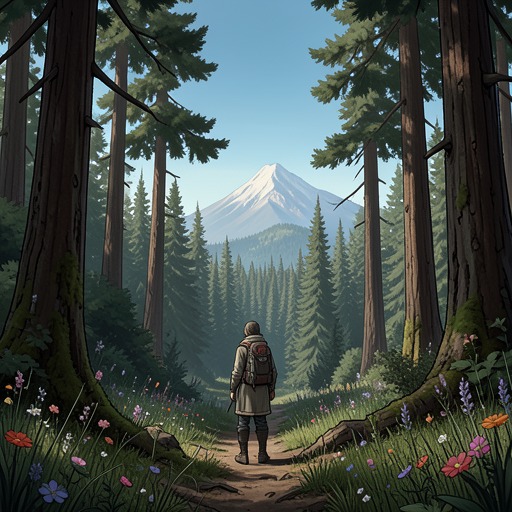
From beneath the tarp, the campers see a forest made white by snow. Their camp is in the same place as the previous day, but the grassy meadow, wildflowers, and warm rocks where they had rested are gone beneath a solid white covering. This reversal gives the event its particular force: the summer landscape has not gradually changed in the campers’ perception but is suddenly unrecognizable when they wake. The white morning makes the previous day’s warmth and flowers feel close in time and far away in appearance.
The morning brings no forecast or reliable advance knowledge of what the weather will do next. The group can only watch the sky and make a decision from what they see. Beckett prefers to remain in place if the snow continues; if conditions warm, he thinks they should descend to a lower elevation. The campers linger while the uncertainty remains unresolved. By noon the sky has cleared and the temperature has risen, so Beckett announces a short, three-mile hike to Elk Ridge, where the group will have better protection from the wind if temperatures fall again. The snowfall thus ends not with a return to the previous meadow but with a measured relocation, its immediate consequences carried into the next stage of the expedition.